Ultimate Website Performance Optimization Guide for Speed
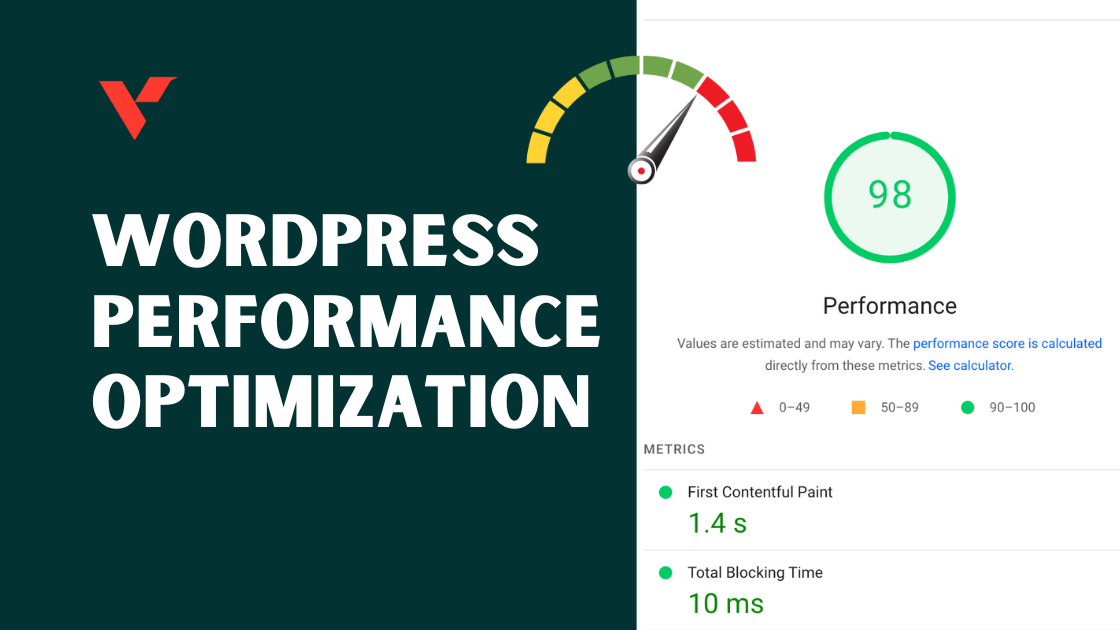
In today’s digital world, website speed is no longer a luxury—it is a necessity. Users expect websites to load quickly, and search engines prioritize fast-loading websites in their rankings. Website performance optimization is the process of improving the speed, responsiveness, and overall efficiency of a website. A well-optimized website not only improves user experience but also increases conversions, boosts search engine rankings, and reduces bounce rates.
If your website takes more than a few seconds to load, visitors are likely to leave before even seeing your content. Studies show that even a one-second delay in page loading can significantly reduce user satisfaction and conversion rates. Therefore, optimizing website performance is crucial for businesses, bloggers, and developers alike.
This article explores the most effective techniques for optimizing website performance and ensuring a faster, smoother browsing experience for users.
Why Website Performance Optimization Matters
Website performance directly impacts user experience, SEO rankings, and business revenue. When a website loads quickly, visitors are more likely to stay longer, interact with the content, and complete desired actions such as making purchases or filling out forms.
Search engines like Google consider page speed as an important ranking factor. Slow websites often struggle to rank higher in search engine results pages (SERPs). Faster websites, on the other hand, tend to perform better because they provide a better user experience.
Performance optimization also reduces server load and bandwidth usage. Efficient websites consume fewer resources, which can lower hosting costs and improve scalability as traffic grows.
Key Factors Affecting Website Performance
Several technical factors influence how quickly a website loads and performs. Understanding these factors helps developers identify areas that need improvement.
1. Large Image Files
Images are often the largest files on a webpage. Unoptimized images can significantly slow down loading times. High-resolution images that are not compressed or properly formatted consume unnecessary bandwidth and delay page rendering.
Using modern image formats such as WebP and compressing images before uploading them can dramatically improve website speed.
2. Excessive HTTP Requests
Every element on a webpage—such as images, stylesheets, scripts, and fonts—requires an HTTP request. The more requests a page makes, the longer it takes to load.
Reducing the number of HTTP requests by combining CSS and JavaScript files or removing unnecessary plugins can improve performance.
3. Poor Hosting Services
Your hosting provider plays a major role in website performance. Cheap or overloaded hosting servers often result in slow response times.
Using high-performance hosting solutions such as cloud hosting or dedicated servers can significantly improve site speed.
4. Unoptimized Code
Messy or bloated code can slow down a website. Large CSS and JavaScript files, unused code, and inefficient scripts increase loading time.
Minifying CSS, JavaScript, and HTML files removes unnecessary characters and spaces, making the files smaller and faster to load.
Essential Techniques for Website Performance Optimization
Improving website performance requires a combination of strategies. The following techniques are widely used by developers and SEO experts to optimize website speed.
1. Enable Browser Caching
Browser caching allows frequently used website resources to be stored on the user’s device. When a visitor returns to the website, the browser loads stored files instead of downloading them again.
This reduces load time and improves overall performance for repeat visitors.
2. Use a Content Delivery Network (CDN)
A Content Delivery Network distributes website content across multiple servers located around the world. When a user visits your website, the CDN delivers content from the server closest to their location.
This reduces latency and ensures faster loading speeds for global users.
3. Compress Files with Gzip or Brotli
File compression reduces the size of HTML, CSS, and JavaScript files before they are sent to the browser. Smaller files load faster and use less bandwidth.
Enabling compression through server settings can significantly improve page load times.
4. Optimize Images
Image optimization is one of the most effective ways to improve website speed. Techniques include:
-
Compressing images without losing quality
-
Using next-generation formats like WebP
-
Implementing lazy loading for images
-
Resizing images to the correct dimensions
These methods reduce file size while maintaining visual quality.
5. Minify CSS, JavaScript, and HTML
Minification removes unnecessary characters such as spaces, comments, and line breaks from code files. This reduces file size and improves loading speed.
Many tools and plugins automatically minify files during the development or deployment process.
6. Reduce Server Response Time
Server response time measures how quickly a server responds to a browser request. Slow servers can delay the entire loading process.
Improving server response time may involve upgrading hosting plans, optimizing databases, or using faster server technologies
Mobile Optimization and Performance
With the majority of internet users accessing websites through mobile devices, mobile performance optimization has become essential.
Mobile users often rely on slower internet connections compared to desktop users. Therefore, websites must be optimized for mobile speed and responsiveness.
Responsive design ensures that a website adapts to different screen sizes and devices. Developers should also avoid heavy scripts, large images, and unnecessary animations that may slow down mobile performance.
Google’s mobile-first indexing means that the mobile version of your website is now the primary version used for ranking. Therefore, optimizing mobile performance directly impacts SEO success.
Tools for Measuring Website Performance
Several tools can help analyze website speed and identify performance issues.
Google PageSpeed Insights
This tool evaluates website performance on both mobile and desktop devices. It provides a performance score along with detailed suggestions for improvement.
GTmetrix
GTmetrix analyzes website loading speed and provides insights into page size, requests, and performance bottlenecks.
Lighthouse
Lighthouse is an open-source tool developed by Google that audits website performance, accessibility, and SEO.
These tools help developers understand performance issues and prioritize optimization tasks.
The Impact of Performance on SEO and Conversions
Website speed directly influences search engine rankings and user behavior. Faster websites typically experience:
-
Lower bounce rates
-
Higher user engagement
-
Improved conversion rates
-
Better search engine visibility
When users encounter slow-loading pages, they often abandon the site and move to competitors. In contrast, fast websites keep visitors engaged and encourage them to explore more content.
E-commerce websites, in particular, benefit significantly from performance optimization. Even small improvements in loading time can lead to substantial increases in sales and revenue.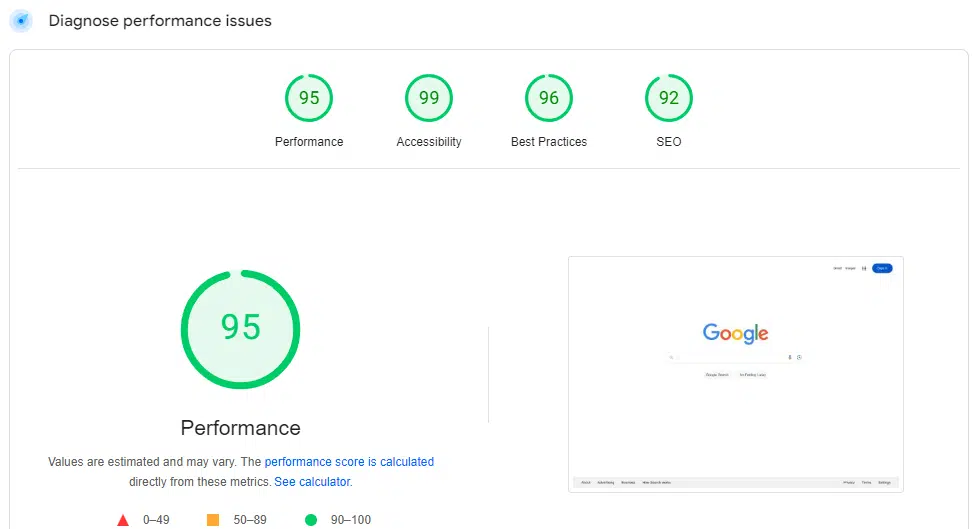
Future Trends in Website Performance Optimization
As technology continues to evolve, new performance optimization techniques are emerging.
Modern web development practices such as server-side rendering, static site generation, and progressive web apps (PWAs) are helping developers create faster and more efficient websites.
Advanced caching strategies, edge computing, and improved compression algorithms are also shaping the future of web performance.
Developers who stay updated with these technologies will be better equipped to build high-performing websites.
Conclusion
Website performance optimization is a critical aspect of modern web development and digital marketing. Fast-loading websites provide a better user experience, rank higher in search engines, and generate more conversions.
By optimizing images, reducing HTTP requests, enabling caching, using CDNs, and improving server performance, website owners can significantly enhance site speed and reliability.
In an increasingly competitive online environment, website performance can make the difference between success and failure. Investing time and effort into optimization ensures that your website remains fast, efficient, and capable of meeting the expectations of modern users.
A well-optimized website not only attracts more visitors but also keeps them engaged, ultimately driving long-term growth and success.
No responses yet